
 See Our Latest Article on HelloNation
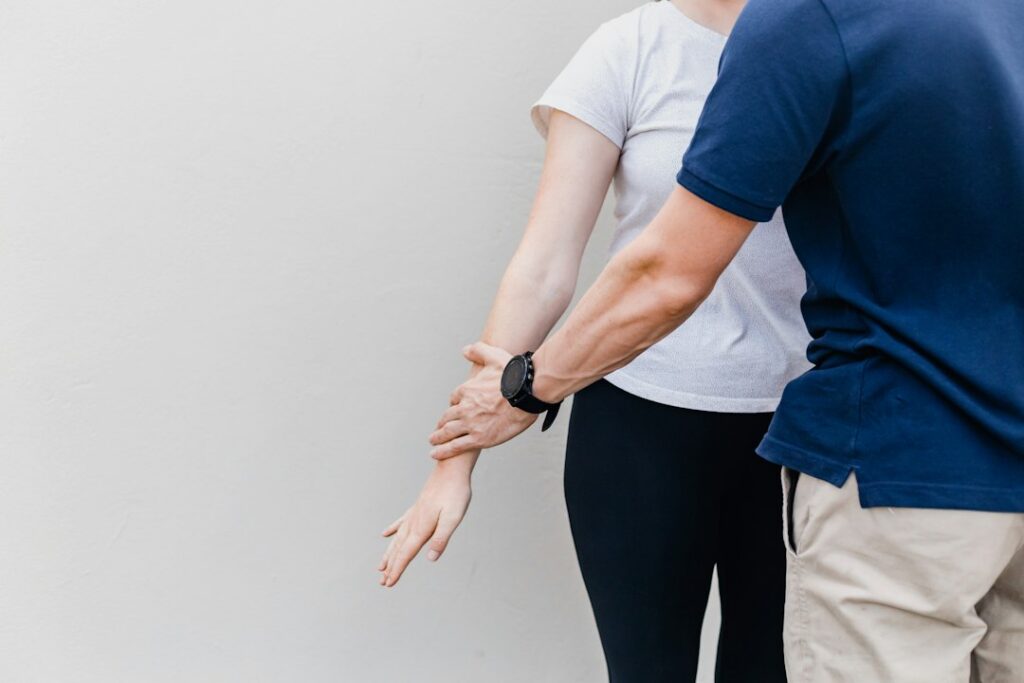
Minor aches and pains are easy to dismiss, especially when they do not prevent normal activities. A sore neck after computer work, a stiff back after yardwork, or a tender shoulder after lifting may seem harmless. Often, these symptoms improve with rest and sensible movement. But recurring or gradually worsening discomfort can also be an early sign that the body is not tolerating a repeated strain, movement pattern, injury, or underlying condition.
Paying attention early does not mean assuming the worst. It means noticing patterns, responding appropriately, and recognizing when self-care is no longer enough.
Why can a minor ache become a bigger problem?
A small amount of discomfort may change how a person moves. Someone with a sore knee may shift weight to the other side. A person with neck pain may turn the entire torso instead of moving the head. These adjustments can temporarily reduce discomfort, but they may place extra stress on nearby muscles and joints.
Over time, this can contribute to:
- Reduced flexibility
- Muscle weakness or guarding
- Repeated strain in another area
- Poor balance or altered walking
- Difficulty sleeping
- Avoidance of normal activities
This pattern is common after physically demanding chores, long periods of sitting, repetitive work, or a sudden increase in exercise. In Babylon, seasonal tasks such as clearing storm debris, gardening, moving outdoor furniture, or preparing a home for winter can place unfamiliar demands on the back, shoulders, wrists, and knees.
What does recurring pain tell you?
Pain that returns in the same area deserves more attention than a one-time ache that steadily improves. Recurring symptoms may suggest that the original irritation has not fully settled or that the activity causing the problem is continuing.
Useful questions include:
- Does the pain appear after the same task each time?
- Is the discomfort lasting longer than it used to?
- Has the painful area become more sensitive or less mobile?
- Is there numbness, tingling, weakness, or a feeling of instability?
- Are normal activities being avoided?
- Does pain interfere with sleep?
A simple symptom record can help. Note when the pain began, what activity preceded it, where it is located, how long it lasts, and what makes it better or worse. This information can be useful when discussing the problem with a qualified health care professional.
Is it better to rest completely?
Usually, complete inactivity is not the best response to mild musculoskeletal discomfort. Gentle movement can help prevent stiffness and maintain normal function. However, movement should be modified if it clearly increases pain.
For example, a person with mild low-back soreness may benefit from short, easy walks rather than prolonged bed rest. Someone with shoulder discomfort may temporarily reduce overhead lifting while continuing comfortable range-of-motion movements. The goal is not to push through sharp or escalating pain. The goal is to avoid turning a manageable problem into prolonged inactivity.
Helpful general measures may include:
- Taking brief movement breaks during long periods of sitting
- Reducing the intensity, duration, or frequency of a provoking activity
- Using comfortable positions during sleep and work
- Applying cold after a recent strain if it reduces discomfort
- Using gentle warmth for stiffness when it feels soothing
- Returning to exercise gradually rather than making sudden increases
- Maintaining regular walking or other low-impact activity as tolerated
Pain that is sharp, constant, causes limping, or remains significantly worse after activity should not be treated as ordinary exercise soreness.
How do daily habits affect minor aches?
Many everyday aches are influenced by repetition rather than a single dramatic injury. Sitting for hours, carrying a child on one side, using a laptop without changing position, driving for long periods, or repeatedly reaching overhead can all contribute to irritation.
Household activities may also create uneven loading. Carrying groceries in one hand, shoveling or raking with the same stance, lifting laundry baskets from the floor, or twisting while moving boxes can place more stress on one side of the body.
Small adjustments can help:
- Change position regularly instead of remaining still for long periods.
- Keep frequently used items within easy reach.
- Bend at the hips and knees when lifting rather than rounding the back and twisting.
- Divide heavy loads into smaller portions.
- Use both sides of the body when practical.
- Warm up before unfamiliar physical work.
- Increase exercise volume gradually.

These changes do not guarantee that pain will disappear, but they may reduce repeated strain and make patterns easier to identify.
When should minor pain be evaluated?
Pain should be evaluated when it persists, repeatedly returns, or begins to limit daily function. A symptom does not need to be severe to deserve attention. A mild ache that continues for weeks may be more useful to investigate than a stronger pain that clearly improves after a short-lived strain.
Evaluation is especially appropriate when pain is accompanied by:
- Numbness, tingling, or weakness
- Loss of coordination or balance
- Swelling, redness, warmth, or a visibly deformed joint
- Fever or unexplained illness
- Unexplained weight loss
- Pain that consistently worsens at night
- Symptoms following a fall, collision, or other injury
- Difficulty controlling the bladder or bowels
- Pain that travels down an arm or leg
Sudden severe pain, chest pressure, difficulty breathing, fainting, new paralysis, or serious injury requires urgent medical attention. Back or neck pain with new neurological symptoms also should not be managed solely with home care.
A chiropractor may be one part of an appropriate evaluation for certain muscle and joint complaints, but not every pain problem is mechanical. Depending on the symptoms, medical, neurological, orthopedic, or physical therapy assessment may be more suitable. The priority is identifying the likely source and ruling out conditions that require different care.
Can staying active help prevent pain from becoming chronic?
Regular, appropriate activity generally supports joint mobility, muscle strength, balance, and physical function. Walking, water exercise, cycling, strengthening exercises, and mobility work can be useful options, depending on a person’s health and symptoms.
People who are new to exercise should begin slowly. A sudden jump from little activity to strenuous workouts, long-distance walking, heavy lifting, or intensive seasonal chores can produce avoidable soreness. Mild stiffness may be expected after a new activity, but symptoms should gradually improve rather than become sharper, more persistent, or more limiting.
The most useful response to a minor ache is neither panic nor neglect. Observe it, adjust the activity that may be aggravating it, keep moving within comfortable limits, and seek appropriate evaluation when the pattern does not improve or includes warning signs.
