
 See Our Latest Article on HelloNation
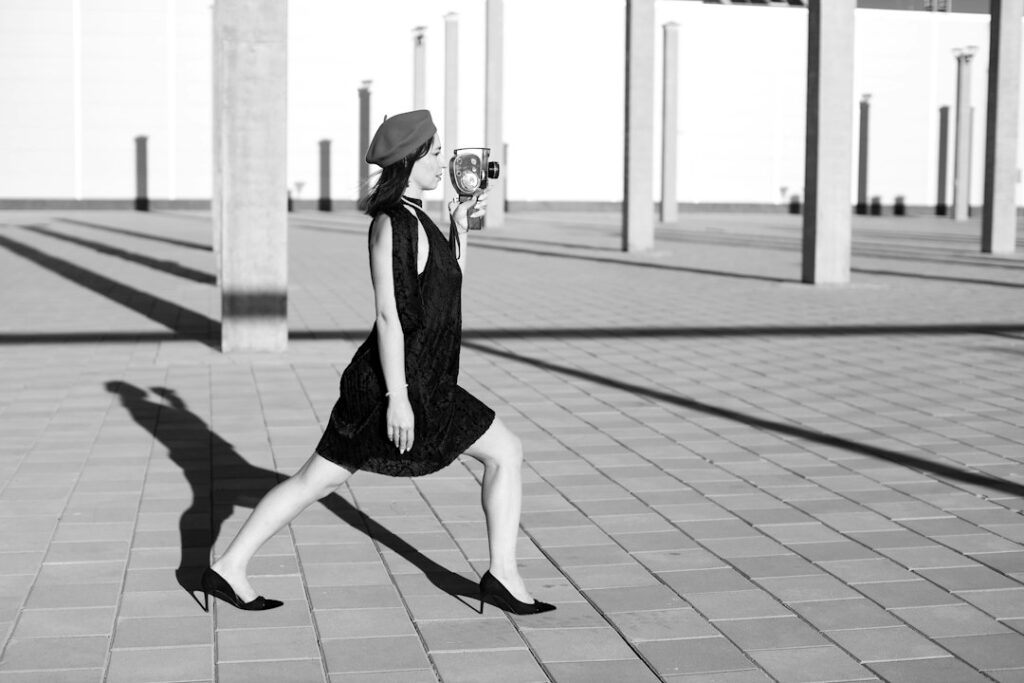
High heels can affect the way the feet, ankles, knees, hips, pelvis, and spine share weight. They do not automatically cause back pain, but wearing them for long periods—especially while walking, standing, or navigating uneven surfaces—may increase strain in the lower body and contribute to discomfort.
For residents of Babylon, where daily routines may include commuting, walking between destinations, standing at events, or moving across wet and uneven outdoor surfaces, the effect of footwear can become more noticeable over time.
How can high heels affect the lower back?
High heels shift the body’s weight forward toward the balls of the feet. To remain upright, the body makes small adjustments through the ankles, knees, hips, pelvis, and trunk.
These changes may include:
- Increased pressure on the forefoot
- Greater tension in the calf and Achilles tendon
- More knee and hip muscle activity
- Changes in pelvic position
- Increased work for muscles supporting the spine
- Shorter steps and slower, less stable walking
The lower back does not work in isolation. If the ankles and hips cannot move comfortably, the pelvis and lumbar spine may compensate. That compensation can create muscle fatigue or aching, particularly after several hours of standing or walking.
Research on high heels and spinal posture has produced mixed results. Some studies find changes in pelvic or spinal positioning, while others show that the most significant adjustments occur at the ankle, knee, and hip. This means the issue is not simply that heels “force the back into an exaggerated curve.” The broader concern is altered movement and increased physical demand throughout the lower body.
Why might pain appear after wearing heels?
Pain may develop because high heels change both posture and movement. A person wearing heels may take shorter steps, keep the knees slightly bent, or rotate the pelvis and trunk differently while walking. Muscles that are not usually under continuous demand may become tired.
Standing for a long time can make the effect more pronounced. Muscles around the lower back and hips may stay active to help maintain balance, while the feet and calves remain in a shortened position. After the shoes are removed, stiffness may be felt in the calves, hamstrings, hips, or lower back.
Some people notice discomfort immediately. Others experience symptoms later that evening or the next morning. Delayed soreness does not necessarily mean the spine has been injured; it may reflect muscular fatigue, irritated joints, or strain in the feet and legs.
Do higher heels create more risk?
Generally, taller heels create a greater forward shift in body weight and make balance more demanding. Very narrow heels can add another challenge because they provide less stability than a wider heel.
The height of the shoe is only one factor. These features also matter:
- Heel width and stability
- Shoe fit and toe-box space
- Amount of time spent wearing the shoes
- Whether the person is walking or standing
- The condition of the feet, ankles, knees, hips, and back
- Experience with that style of footwear
- Surface conditions, such as wet pavement, stairs, or uneven walkways
A lower heel that fits poorly can still cause problems. A moderately high, stable heel worn briefly may be tolerated better than a lower, narrow shoe worn for many hours.
Can high heels cause chronic back pain?
High heels are not the only possible cause of ongoing back pain, and wearing them does not guarantee a long-term spinal condition. However, frequent use may contribute to recurring symptoms in people who are already sensitive to changes in posture or movement.
Repeated exposure to an uncomfortable position can keep muscles working harder than usual. It may also aggravate existing problems involving the feet, knees, hips, or lower back. In some cases, the back pain may actually begin with the feet or calves and travel upward through the movement chain.
Other factors often matter just as much, including prolonged sitting, weak hip and trunk muscles, inadequate recovery after activity, previous injuries, sleep position, and sudden increases in walking or standing.
A useful way to evaluate the connection is to observe whether symptoms consistently appear after wearing heels and improve when more supportive footwear is used. That pattern does not prove that the shoes are the only cause, but it can identify a meaningful contributor.
What can reduce strain while wearing heels?
The most practical approach is to reduce exposure and improve stability rather than rely on a single “perfect” shoe.
Consider these habits:
- Choose a lower, wider heel for extended standing or walking.
- Use shoes with enough room for the toes to spread naturally.
- Avoid wearing heels for long outdoor walks or lengthy commutes.
- Carry a comfortable change of shoes when practical.
- Alternate sitting and standing during events or work tasks.
- Walk more slowly on wet, uneven, or slippery surfaces.
- Stretch the calves gently after removing the shoes.
- Build strength in the hips, legs, and trunk through regular exercise.
- Avoid suddenly switching from comfortable shoes to very high heels for an entire day.

Stretching may ease tight calves, but it does not cancel out the mechanical demands of a high heel. Rest breaks and changes in footwear are often more useful than trying to “push through” increasing discomfort.
Are flats always better for the back?
Not necessarily. Very flat shoes may be uncomfortable for some people, particularly if they provide little cushioning or support. Back comfort depends on the individual’s foot structure, walking pattern, activity level, and existing conditions.
A supportive shoe usually allows the foot to sit comfortably, provides a stable base, and does not force the toes into a cramped position. The goal is not to find one shoe style that works for everyone. It is to avoid footwear that causes pain, instability, numbness, or excessive fatigue.
When should back pain be evaluated?
Back pain after wearing heels is often related to temporary muscle or joint strain, but certain symptoms deserve prompt medical attention. Seek evaluation for pain that is severe, persistent, worsening, or interfering with normal activities.
More urgent warning signs include:
- New weakness in a leg
- Numbness or tingling that spreads below the knee
- Loss of bladder or bowel control
- Numbness in the groin area
- Back pain after a significant fall or collision
- Fever, unexplained weight loss, or feeling seriously ill
For less urgent symptoms, keeping track of footwear, activity, duration of standing, and pain timing can help identify patterns. In Babylon, seasonal conditions such as rain, snow, and icy walking surfaces can also increase the need for stable footwear and careful walking, especially when heels reduce balance.
High heels may be part of a person’s clothing or work routine, but they do not need to be worn continuously. Limiting time in them, choosing stable designs, and paying attention to early signs of foot, hip, or back fatigue can reduce unnecessary strain.
