
 See Our Latest Article on HelloNation
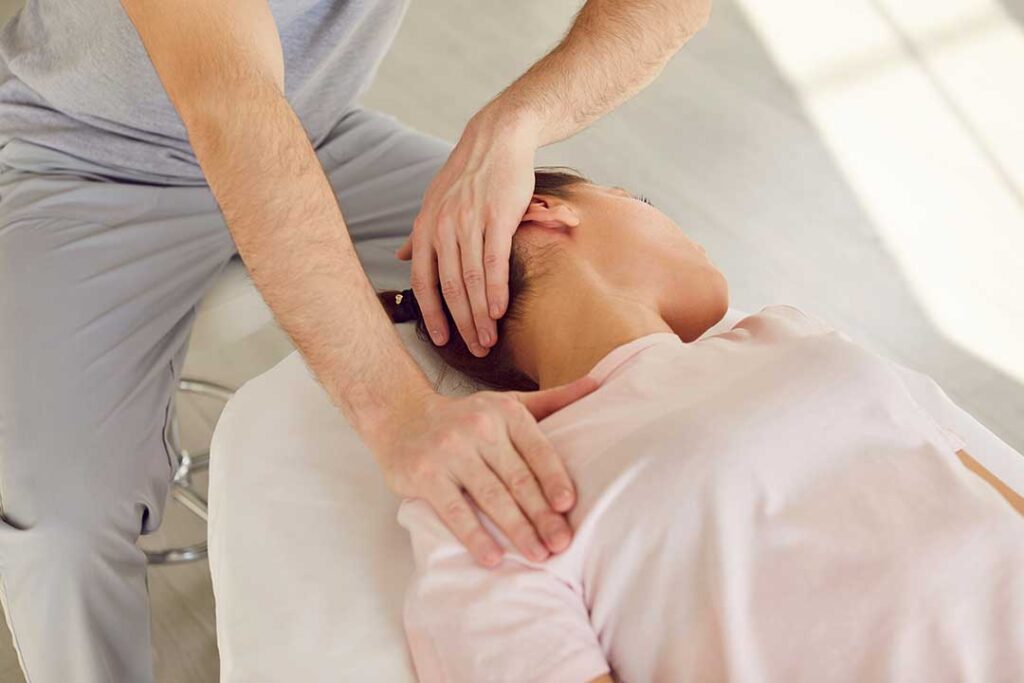
A clicking, popping, or grinding sound in the neck is common and often harmless, especially when it occurs without pain or other symptoms. The noise may come from normal movement inside a neck joint, tendons shifting position, muscle tension, or age-related changes in the cervical spine.
For residents in Babylon, clicking may be noticed during routine activities such as turning the head while driving, checking a blind spot, looking down at a phone, gardening, exercising, or working at a computer. The sound itself is usually less important than what accompanies it.
What causes clicking in the neck?
Most neck sounds come from one of several mechanical sources. A person may have more than one cause at the same time.
Gas bubbles in a joint
Neck joints contain fluid that helps the surfaces move smoothly. Changes in pressure during movement can create or release small gas bubbles, producing a pop or crack. This is similar to the sound sometimes heard when knuckles are moved.
A single click caused by normal joint movement is generally not a concern when there is no pain, stiffness, weakness, numbness, or recent injury.
Tendons or ligaments moving over bone
Soft tissues can shift slightly as the neck rotates or bends. A tendon or ligament may move across a nearby bone and create a snapping or clicking sensation. This can be more noticeable when the muscles around the neck and shoulders are tight.
Muscle tension may increase after prolonged computer use, repeated overhead activity, carrying heavy objects, or sleeping in an awkward position. Stress can also contribute to sustained tightening in the neck and upper shoulders.
Joint stiffness or irritation
A stiff joint may not glide smoothly, creating a clicking or grinding sensation. Limited movement can develop after sleeping in an unusual position, spending long periods with the head bent forward, or recovering from a minor strain.
Poor posture does not usually “misalign” the neck in a dramatic way, but sustained forward-head positions can increase the workload on muscles and joints. Looking down at a phone, reading in bed, or leaning toward a screen for long periods are common examples. ([mayoclinic.org](https://www.mayoclinic.org/diseases-conditions/neck-pain/symptoms-causes/syc-20375581?utm_source=openai))
Age-related changes
The joints and discs in the neck naturally change over time. Cartilage may become thinner, discs may lose some height, and small bone changes may develop around the joints. These changes can produce rougher movement or a grinding sound, sometimes called crepitus.
Age-related changes do not always cause symptoms. Some people have clicking without pain, while others may experience stiffness, reduced range of motion, headaches, or discomfort that worsens after holding the head in one position. Cervical spondylosis, a common form of wear-related change, may cause no symptoms at all or may contribute to neck pain and stiffness. ([mayoclinic.org](https://www.mayoclinic.org/diseases-conditions/cervical-spondylosis/symptoms-causes/syc-20370787?p=1&utm_source=openai))
Is neck clicking dangerous?
Clicking by itself is usually not dangerous. A painless sound that occurs occasionally and does not affect movement is often a normal mechanical feature of the joint.
Concern is greater when the clicking is new, persistent, or accompanied by symptoms such as:
- Neck pain that is severe, worsening, or not improving
- Loss of motion or a feeling that the neck is locking
- Pain spreading into the shoulder, arm, or hand
- Numbness, tingling, or weakness
- Headache, dizziness, balance problems, or changes in coordination
- Symptoms that began after a fall, collision, sports injury, or sudden twisting motion
A pinched nerve in the neck can cause pain, tingling, numbness, or weakness into an arm. Disc changes, bone spurs, or inflammation may contribute to this type of nerve irritation. ([my.clevelandclinic.org](https://my.clevelandclinic.org/health/diseases/22639-cervical-radiculopathy-pinched-nerve?utm_source=openai))
Can poor posture cause the sound?
Posture can contribute indirectly. Holding the head forward for long periods may fatigue the muscles that support the neck and alter how the joints move. The result can be tightness, reduced mobility, and more frequent clicking.
This is especially relevant during long workdays, extended screen use, or travel. Seasonal routines may also affect symptoms. For example, colder weather can lead some people to tense their shoulders, while outdoor chores during warmer months may involve repeated lifting, bending, or looking upward.
Helpful adjustments include:
- Keep screens close to eye level rather than looking down continuously.
- Change position regularly instead of sitting in one posture for hours.
- Support the forearms during computer work.
- Use gentle movement breaks for the neck and shoulders.
- Avoid holding a phone between the ear and shoulder.
- Pay attention to pillow height and sleeping position.
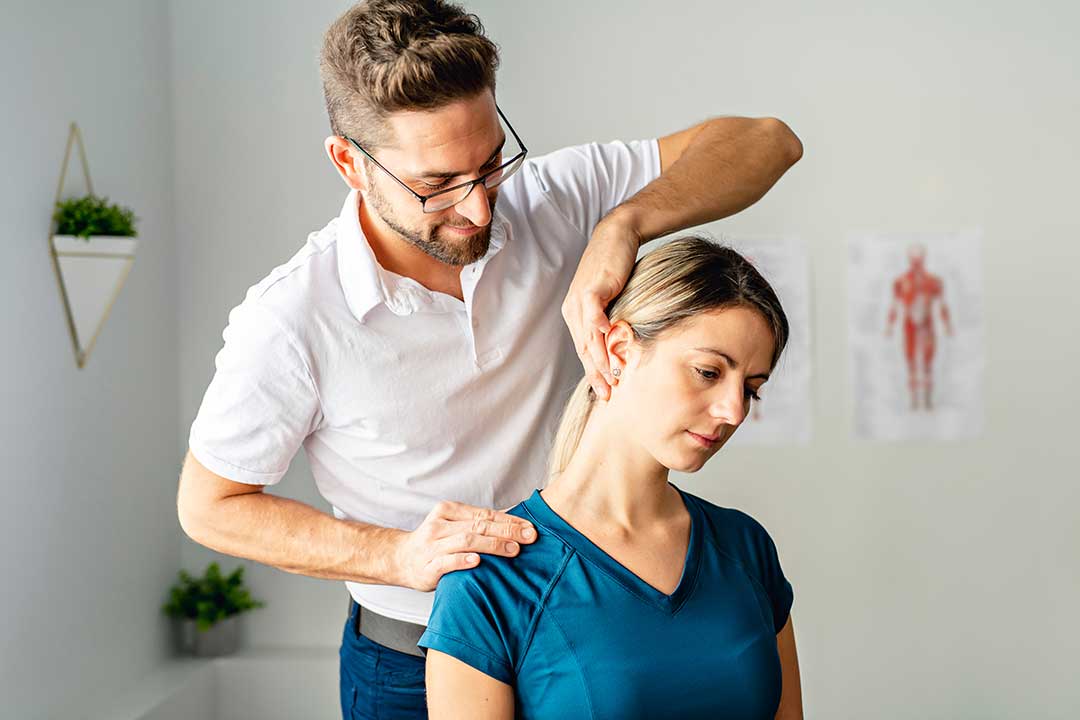
These steps may reduce strain, but they do not identify the exact source of a clicking sound.
Does cracking the neck make it worse?
Occasionally moving the neck and hearing a painless pop is different from repeatedly forcing the neck to crack. Forceful or frequent self-manipulation can irritate joints and soft tissues. Repeated cracking may also make the neck feel temporarily looser without addressing the reason it feels stiff.
Sudden, forceful neck movements have rarely been associated with injury to blood vessels in the neck. The risk is considered uncommon, but a sudden severe headache, unusual neck pain, dizziness, vision changes, trouble speaking, or weakness after forceful neck movement requires urgent medical attention. ([health.clevelandclinic.org](https://health.clevelandclinic.org/is-it-safe-to-crack-your-neck?utm_source=openai))
It is safer to avoid forceful twisting, especially after an injury or when symptoms travel into an arm.
When should clicking be evaluated?
A healthcare evaluation is appropriate when clicking is accompanied by pain, persistent stiffness, reduced movement, or neurological symptoms. An assessment typically considers the timing of the sound, recent activities or injuries, range of motion, muscle tenderness, and signs of nerve involvement.
Imaging is not automatically needed for every painless neck sound. It may be considered when symptoms are persistent, severe, associated with injury, or suggest a problem involving the joints, discs, nerves, or spinal cord.
After a car crash, fall, diving incident, or other significant impact, severe neck pain should be treated as an urgent concern. Neck pain with numbness, weakness, tingling, or pain extending into the arms or legs also deserves prompt medical attention. ([mayoclinic.org](https://www.mayoclinic.org/diseases-conditions/neck-pain/symptoms-causes/syc-20375581?utm_source=openai))
Emergency care is warranted for severe neck pain after trauma, sudden neurological changes, loss of coordination, or symptoms accompanied by serious illness such as fever, intense headache, confusion, or marked sensitivity to light.
What can be done at home for mild clicking?
For mild, painless clicking, the goal is usually to keep the neck moving comfortably rather than trying to eliminate every sound. Gentle range-of-motion exercises, regular position changes, adequate sleep, and attention to workstation habits may help.
Avoid stretching into sharp pain or repeatedly testing the neck to reproduce the click. Heat may ease muscle tightness for some people, while others prefer a brief cold application after a minor strain. Over-the-counter pain medicine may not be appropriate for everyone, particularly people with certain medical conditions or medication interactions.
The most useful distinction is simple: a quiet click with normal movement is usually different from a click accompanied by pain, weakness, numbness, injury, or loss of coordination. Those accompanying symptoms—not the sound alone—should guide how quickly the problem is evaluated.
