
 See Our Latest Article on HelloNation
What role can chiropractic care play in pain management?
Chiropractic care may help some people manage musculoskeletal pain, particularly low-back pain, neck pain, joint stiffness, and certain activity-related injuries. Its role is usually conservative: reduce symptoms, improve movement, and support a gradual return to normal activities rather than “fix” every source of pain.
The strongest evidence relates to spinal manipulation and mobilization for low-back pain. Research suggests these treatments can provide modest short-term improvements in pain and function for some adults. Results vary, and chiropractic care is not appropriate for every condition.
Pain management works best when treatment is based on a careful evaluation, realistic goals, and a broader plan that may include exercise, activity changes, sleep improvement, medication guidance from a medical professional, or other forms of rehabilitation.
Which types of pain may respond to chiropractic care?
Chiropractic treatment is most commonly considered for pain involving muscles, joints, and the spine. Examples include:
- Low-back pain after lifting, prolonged sitting, or an awkward movement
- Neck stiffness associated with posture or repetitive work
- Some forms of tension-related headache
- Mild to moderate joint or muscle discomfort
- Pain that limits normal movement without signs of serious disease
A person’s response depends on the cause, duration, severity, general health, and whether nerve symptoms are present. A short episode of uncomplicated back pain often improves naturally over several weeks, whether or not hands-on treatment is used.
Chiropractic care may be less suitable as a stand-alone approach for advanced arthritis, major spinal injury, progressive neurological disease, infection, cancer-related pain, or pain caused by an internal medical problem.
How does treatment work?
A chiropractic evaluation generally includes questions about symptoms, a physical examination, movement, strength, sensation, and relevant medical history. The purpose is to identify whether the pain appears mechanical and whether any warning signs require a different type of evaluation.
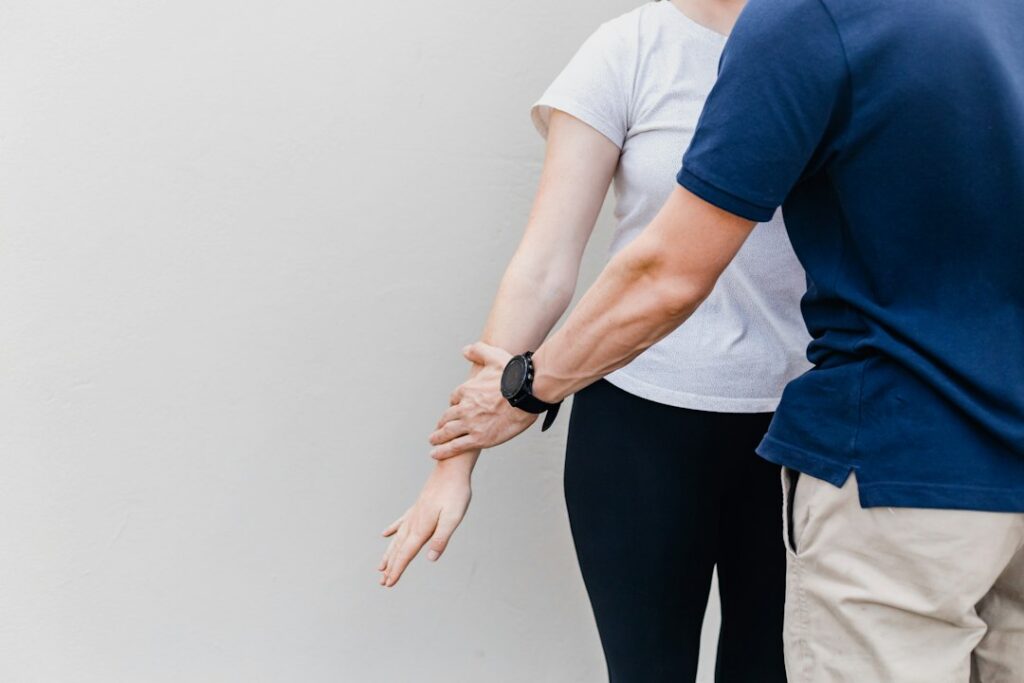
Treatment may include spinal manipulation, which uses a controlled thrust to a joint, or mobilization, which uses slower movement without a thrust. Other approaches may include soft-tissue techniques, stretching, posture instruction, and exercises intended to improve strength, coordination, or mobility.
A responsible plan should explain:
- What the treatment is intended to change
- How often it may be used
- What improvement would look like
- What alternatives are available
- When treatment should be stopped or reconsidered
The goal should not be repeated treatment without measuring progress. Useful measures may include walking tolerance, ability to sit or sleep, range of motion, work participation, or the ability to perform household activities.
Is chiropractic care effective for low-back pain?
For many adults with uncomplicated low-back pain, spinal manipulation is one reasonable non-drug option, although its average benefit is generally modest. It appears to work about as well as several other conservative treatments for many patients, rather than clearly outperforming all alternatives.
Exercise is especially important. Guidelines commonly place manual therapy within a larger plan that includes activity and exercise instead of using manipulation by itself. Strengthening the trunk and hips, improving movement confidence, and gradually resuming normal activity may help reduce disability and future flare-ups.
Remaining active as tolerated is usually preferable to prolonged bed rest. Short walks, position changes, gentle mobility, and a gradual return to ordinary tasks may be useful. Exercise should be adjusted if it causes sharply worsening pain, new weakness, or spreading numbness.
What about neck pain and headaches?
Manual treatment may help some people with uncomplicated neck pain, particularly when paired with mobility exercises and attention to posture or work habits. A headache associated with muscle tension may also improve when neck and upper-back factors are addressed.
Neck manipulation deserves careful discussion because the neck contains important blood vessels and nerves. Serious complications are considered very rare, but they have been reported. People should share information about vascular conditions, clotting problems, recent trauma, neurological symptoms, and medications before treatment. Gentle mobilization or exercise may be considered instead when a forceful technique is not appropriate.
A sudden, severe, unusual headache; dizziness; double vision; trouble speaking; facial drooping; or weakness requires urgent medical evaluation rather than routine manual care.
What side effects should residents expect?
Temporary soreness, stiffness, or a short-lived increase in discomfort can occur after manipulation or mobilization. These effects commonly improve within a day or two. Serious complications are uncommon, but the risk is not zero, and risk assessment matters.
Extra caution may be needed with:
- Recent fractures or significant injuries
- Severe osteoporosis or fragile bones
- Inflammatory or infectious conditions
- Known cancer involving bone
- Progressive numbness or weakness
- Blood-clotting disorders or use of blood-thinning medication
- Recent surgery
- Severe or unexplained pain

An evaluation should also consider whether imaging or medical testing is needed. Imaging is not automatically useful for ordinary low-back pain and may not change treatment, but it can be appropriate when there is significant trauma, neurological deterioration, suspected infection, cancer risk, or another concerning feature.
When is urgent medical care more appropriate?
Certain symptoms should not be managed with routine chiropractic treatment alone. Prompt medical evaluation is warranted for back or neck pain accompanied by:
- New loss of bladder or bowel control
- Numbness around the groin or inner thighs
- Significant or worsening weakness
- Difficulty walking that is rapidly progressing
- Fever, unexplained weight loss, or severe nighttime pain
- A major fall, collision, or other traumatic event
- A history of cancer, serious infection, or immune suppression
- Chest pain, abdominal pain, shortness of breath, or other non-musculoskeletal symptoms
These signs do not automatically indicate a dangerous condition, but they require a different level of assessment.
How can local routines affect pain?
Daily habits often influence flare-ups more than a single movement. In Babylon, seasonal snow removal, damp or cold-weather stiffness, yard work, commuting, and long periods of sitting can all place extra demand on the back, shoulders, and neck.
Helpful strategies include warming up before strenuous outdoor work, changing positions regularly, lifting with the load close to the body, avoiding repeated twisting while carrying, and dividing large tasks into shorter sessions. After periods of inactivity, returning gradually to gardening, sports, or home maintenance is usually safer than trying to complete everything at once.
Workstation height, mattress comfort, footwear, sleep quality, and stress may also affect pain sensitivity. These factors do not mean pain is “just psychological.” They are part of how the nervous system and musculoskeletal system respond to repeated strain.
What should a realistic treatment plan include?
A sound pain-management plan should focus on function as well as pain intensity. Improvement may mean sleeping longer, walking farther, tolerating household tasks, or feeling less afraid of movement, even if some discomfort remains.
Chiropractic care can be one component of that process for selected musculoskeletal conditions. It should be reconsidered if symptoms do not improve as expected, if new neurological signs develop, or if treatment provides only brief relief without better function. The most useful approach is typically individualized, conservative, transparent about uncertainty, and coordinated with appropriate medical care when symptoms fall outside a routine mechanical pattern.
